
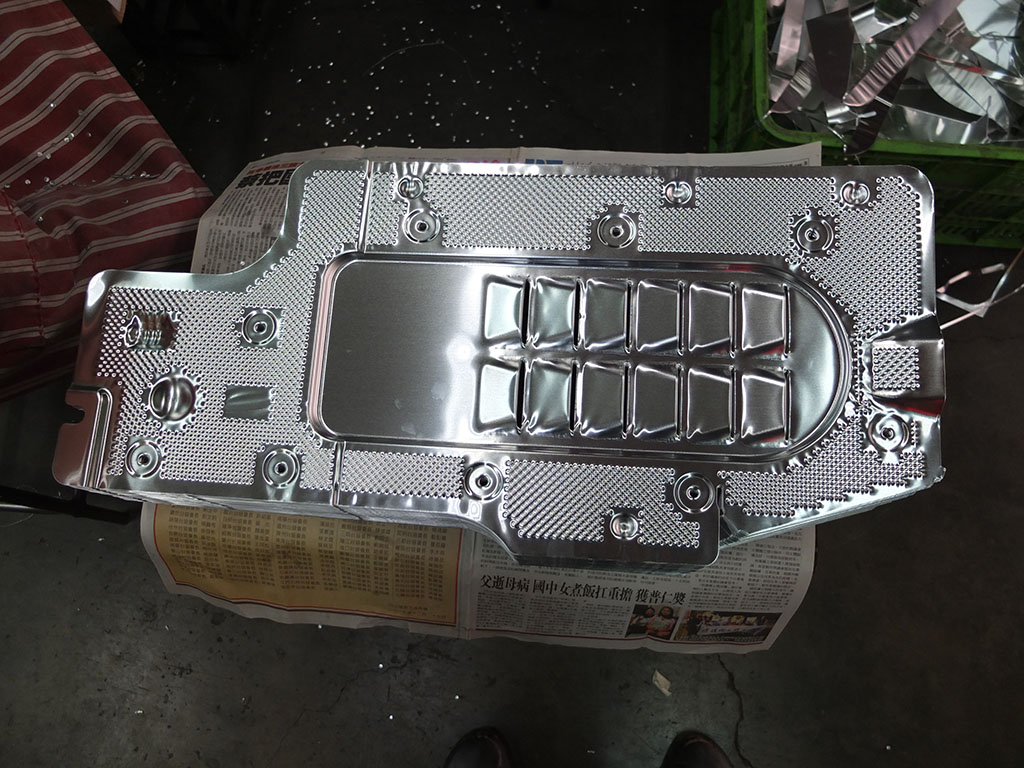
It is common to hear car owners asking about the necessity and pros and cons of installing an engine underguard. Imagine, after modern people buy a new mobile phone, the first thing they do is immediately go to the communication store to buy protective stickers, install phone cases, etc., to take full protective measures for their mobile phones. Then, cars must be more carefully protected and maintained in order to extend their service life and provide a safe and comfortable riding experience.
What is an engine underguard?
An engine underguard is a device installed at the bottom of a vehicle to protect the engine and other parts installed at the bottom from external objects such as road debris, gravel, cement blocks, etc. Common materials include aluminum alloy, steel plate, resin, etc. Aluminum-magnesium alloy materials are usually more expensive and are more suitable for commuting cars. They can block mud, water and other external damage. Steel plates are harder and more affordable, suitable for outdoor climbing or environments with more gravel. Its solid structure is not only very durable, but also perfectly protects the engine from scratches, broken oil tank shells and other safety issues.
When installing an engine underguard, you don’t have to worry about heat dissipation and increased vehicle weight. In the decades of work experience of car repair technicians, cases where the installation of an engine underguard caused heat dissipation problems in the car can be said to be zero. For a car, adding a few kilograms of load will not have a great feedback on fuel consumption performance. In laborious driving, it can further enhance safety and comfort. Why not?
Extended reading: Composite mold: Reform of engine heat sink manufacturing process
What is the function of an engine underguard?
During driving, objects on the road may be bounced up by the wheels and hit the bottom of the vehicle, causing damage or wear to the engine and bottom parts. The engine underguard can act as a barrier to block these objects outside the car, thereby protecting the safety and integrity of the engine and bottom parts. In addition to being able to withstand gravel, mud, water or other hard objects on the road from damaging the car body, it can also improve the aerodynamic performance of the vehicle, improve the driving efficiency and stability of the vehicle by reducing wind resistance and reducing wind noise, allowing the car body to be more stable, safer and more comfortable, and thus get a better riding experience.
In addition, the engine underguard can also reduce engine wear and extend its service life. Under the protection of the engine underguard, parts such as the oil pan and oil filter of the engine are not easily worn by external objects, ensuring normal operation and long-term use of the engine.
Where should the engine underguard be installed?
The engine underguard is usually installed at the bottom of the vehicle, between the engine and the bottom of the vehicle. When installing the engine underguard, it should be ensured that it fits tightly against the chassis and is firmly fixed. When using the vehicle, it is also necessary to regularly check whether there are cracks, wear or looseness in the engine underguard, and repair or replace it in time to ensure driving safety and effective protection of the engine by the engine underguard.
Is my car suitable for installing an engine underguard?
Some car owners worry that installing an engine underguard will cause sinking problems. If your car belongs to a full-frame chassis, then the engine underguard is a good choice that has a protective effect without causing a sinking burden. If it is a semi-frame chassis, it is recommended to consult with a garage or relevant technical personnel before considering whether to install it.
In summary, the engine underguard is an important part that protects the engine and bottom parts, and can also improve vehicle performance, enhance safety, extend the life of car parts and other multiple functions. It also reduces the probability of inconvenience caused by road care for your car. Therefore, installing an engine underguard is the best choice to protect your car and your family.

